Ha Giang, often celebrated for its dramatic mountains and winding passes, is equally remarkable for its cultural richness. Home to more than 20 ethnic groups, this northernmost province of Vietnam is a living tapestry of traditions, languages, and lifestyles. While the landscapes captivate the eyes, it is the people of Ha Giang who capture the heart. Their customs, festivals, and way of life create a vibrant cultural heritage that is as essential to the province’s identity as its rugged peaks.
A Mosaic of Ethnic Groups
The Hmong, Tay, Dao, Lo Lo, Giay, Pu Peo, and Nung communities are among the most prominent in Ha Giang. Each group has its own language, attire, architectural style, and rituals. Despite living side by side for centuries, they maintain distinct cultural identities. This diversity makes Ha Giang one of the most culturally fascinating regions in Vietnam.
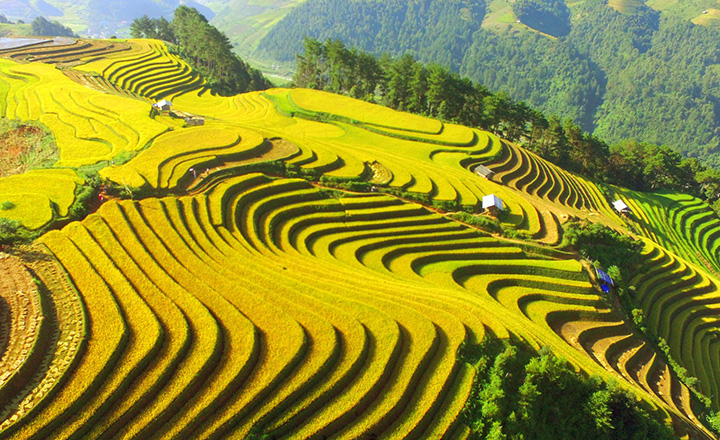
The Hmong people, for example, are known for their elaborate costumes embroidered with intricate patterns. Their villages often sit on high mountain slopes, where cornfields cling to rocky soil. In contrast, the Tay and Nung communities tend to live in valleys and near rivers, where they cultivate rice in terraced fields. The Lo Lo, one of the smallest groups, are renowned for their colorful headscarves and unique drumming traditions.
Traditional Attire
Clothing in Ha Giang is not just a matter of fashion—it is a cultural statement. The garments are handmade, dyed with natural colors, and often decorated with embroidery that carries symbolic meaning.
The Hmong women wear pleated skirts with bold geometric designs, complemented by silver jewelry and headpieces. The Dao women are easily recognized by their red scarves and embroidered jackets, often adorned with silver coins. The Tay women wear simpler indigo-dyed outfits, reflecting a lifestyle rooted in agriculture.
These traditional outfits are still worn daily in many villages and especially during festivals. They are living art forms that connect people to their heritage and express pride in their identity.
Festivals and Rituals
Festivals in Ha Giang are colorful celebrations that blend spirituality, community, and joy. The Gầu Tào Festival of the Hmong, held at the beginning of the lunar year, is both a religious ceremony and a social event. Families gather to pray for good health, prosperity, and happiness while young people participate in games, singing, and dancing.
The Dao people celebrate the Cap Sac Ceremony, an initiation ritual for men entering adulthood. It involves offerings, chanting, and performances that affirm the individual’s role in the community. The Lo Lo people are known for their drum festival, where large bronze drums are played to communicate with ancestors and honor their spirits.
These traditions are not staged performances for tourists but genuine expressions of cultural life. Participating in or witnessing these rituals offers visitors a rare chance to understand the spiritual fabric of Ha Giang.
The Role of Markets
Markets are the heartbeat of social life in Ha Giang. Weekly markets in Dong Van, Meo Vac, or Quan Ba are more than just places to buy and sell goods—they are vibrant gatherings where culture is exchanged and reinforced.
At the market, women in traditional costumes display colorful brocades, men negotiate over cattle, and families enjoy steaming bowls of noodles. Children tag along, marveling at the variety of goods and the festive atmosphere. The market is also where young people meet, court, and sometimes even find future partners.
For many communities, the market is a place of joy and identity. It represents both economic necessity and cultural continuity.
Traditional Crafts
Handicrafts are vital to Ha Giang’s cultural identity. The weaving of brocade fabrics is one of the most enduring traditions, particularly among the Hmong and Dao. Using looms and natural dyes, women produce textiles with patterns that often tell stories of ancestors, legends, or natural elements.
Silver jewelry, forged by skilled craftsmen, is another hallmark. Bracelets, necklaces, and earrings are not just ornaments but symbols of wealth, status, and spiritual protection. Wooden carvings, bamboo baskets, and tools for farming are also crafted with remarkable skill.
These crafts are more than commodities; they are embodiments of knowledge passed down through generations.
Daily Life and Values
Life in Ha Giang’s villages is simple yet deeply connected to tradition. Agriculture dominates, with corn, rice, and buckwheat forming the basis of sustenance. Families often live in extended households, sharing responsibilities and supporting each other.
Hospitality is a cherished value. Guests are welcomed warmly, often with a cup of corn wine and homemade dishes. Meals are shared communally, reinforcing bonds within families and between hosts and visitors. Respect for elders and reverence for ancestors are also central to community life.
The Impact of Tourism
In recent years, tourism has brought both opportunities and challenges to Ha Giang’s cultural communities. On one hand, it has created income through homestays, handicrafts, and guided experiences. On the other, there is concern that commercialization could dilute traditions or turn them into performances.
Many communities are finding balance by showcasing their heritage authentically. Homestays allow travelers to experience daily life without disrupting it, while cultural festivals are increasingly recognized and preserved with community leadership.
A Living Heritage
The culture of Ha Giang’s ethnic communities is not frozen in time—it evolves while retaining its essence. Young people embrace modern education and technology while still participating in traditional rituals. Festivals, crafts, and attire continue to be celebrated not because of outside demand but because they are integral to identity.
In Ha Giang, culture is not just observed; it is lived. It is in the rhythm of the markets, the hum of the looms, the sound of the drums, and the laughter of children in the fields. For visitors, this living heritage offers not only an unforgettable cultural experience but also a lesson in resilience, community, and pride.